
How to Time Weather: Grow a Garden 2 with U4GM

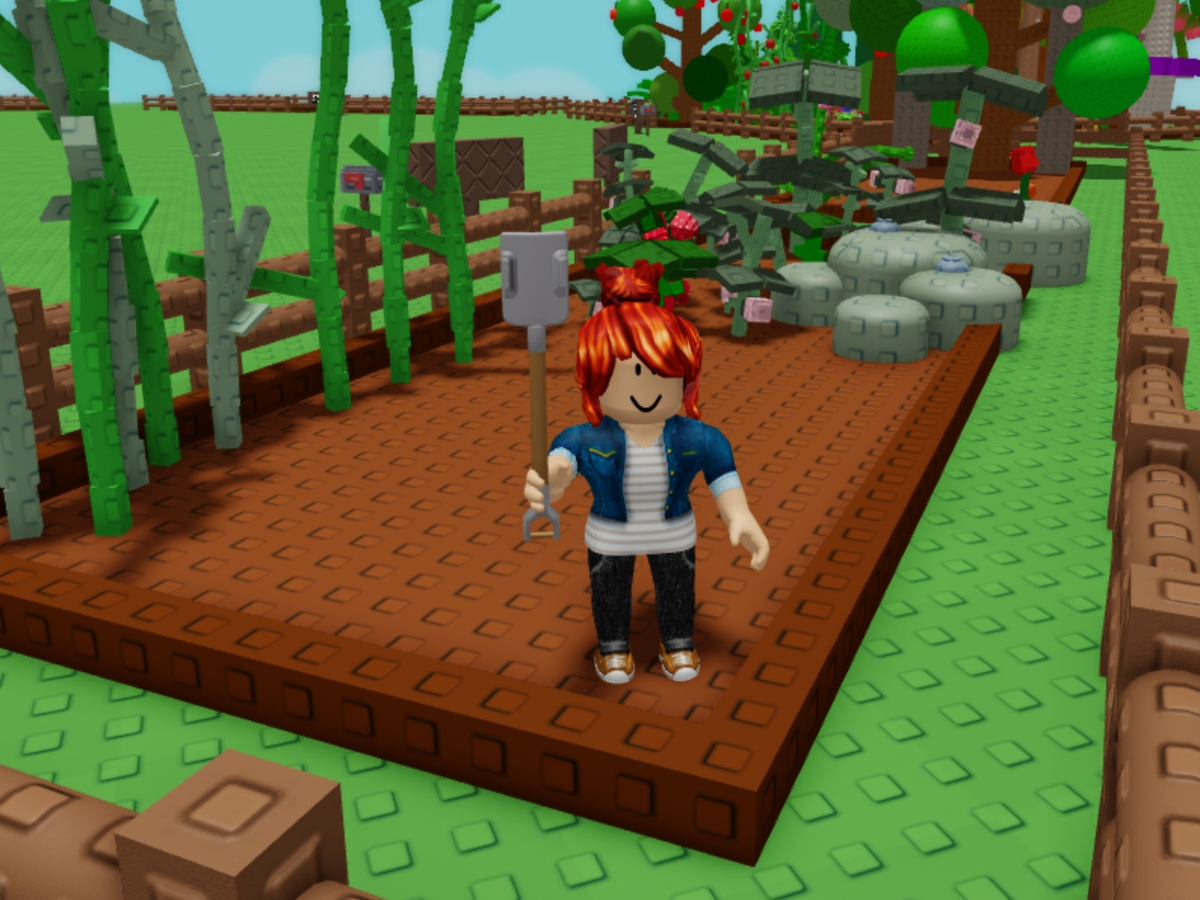
The current weather economy in Grow a Garden 2 is forcing players to plan around timing instead of simply planting the most expensive seed available. Since the Fall Harvest world arrived, Harvest Moon can accelerate crops outside the Main World, Eclipse can be triggered by harvesting a special bloom, and Jandel Monkey can call server-wide weather on a repeating 15-minute cycle. That makes Grow a Garden 2 Items more useful as preparation tools than as last-second purchases, because a good inventory only matters when it is ready for the right event.
After several sessions in the updated economy, the biggest mistake is obvious: players react to the sky after the opportunity has already started. A full garden, open inventory, nearby sprinklers, and a clear route to seed spawns matter more than memorizing every multiplier. Weather is no longer background decoration; it is a series of short decisions that can reward preparation or punish hesitation.
1 Why Is Jandel Monkey More Important Than Its Rarity?
Jandel Monkey's main strength is not a personal growth bonus. Its ability creates random server-wide weather roughly every 15 minutes, meaning one owner can create a useful window for everyone nearby. That changes the normal relationship between pets and farming. Most valuable pets improve one player's garden, while this one turns the entire server into a shared event space.
The 15-minute rhythm also creates a practical planning loop. You may not know whether the next call will bring Rain, Lightning, Snowfall, a moon event, or another effect, but you do know that another opportunity is approaching. That is enough information to prepare intelligently.
◆ Keep valuable crops planted before the next activation.
◆ Clear weak mutations if they are occupying spaces that could receive a stronger effect.
◆ Leave room in your inventory for seeds that appear across the map.
◆ Place sprinklers and position your character before the weather begins.
Jandel Monkey is therefore strongest in the hands of a player who maintains a flexible garden. An empty plot is useful for Rain or Harvest Moon, while a ripe crop left in the soil becomes a target for Lightning, Starfall, Sunburst, Blood Moon, or Eclipse. The pet increases opportunities, but it doesn't repair poor timing.
2 What Should a Weather Tracker Actually Tell You?
A basic timer is no longer enough. The important question is not only which weather is active, but what kind of response it demands. During my testing, the difference between staying in the garden and running toward the center of the map often mattered more than the event's stated duration.
Growth events reward immediate planting and watering. Rain can double growth speed and revive neglected crops, while Harvest Moon accelerates growth in Fall Harvest for roughly two minutes. Mutation events work differently: the best targets usually need to remain in the ground until the effect ends.
◆ Treat Rain and Harvest Moon as "plant now" events.
◆ Treat Lightning, Snowfall, Starfall, Aurora, Sunburst, Blood Moon, and Eclipse as "protect the crop" events.
◆ Treat Gold Moon, Rainbow Moon, and Mega Moon as "move immediately" events because their value can come from collecting spawned seeds.
Location must also be visible. Harvest Moon belongs to the Fall Harvest world, which has its own garden, inventory, currency, pets, quests, and Night rules. A tracker that shows the moon without showing the active world can send players to the wrong garden and waste most of a short window.
3 How Does the One-Mutation Rule Change Farming?
Every crop can hold only one weather mutation at a time, and this rule quietly controls the entire economy. A garden covered in mediocre effects may look successful, yet those mutations can prevent better opportunities from landing. The most productive action before a valuable event is sometimes harvesting crops that appear profitable.
That choice depends on the next likely objective. If you are waiting for Sunburst or Blood Moon, removing weak effects creates cleaner targets. Once the event starts, harvesting becomes much less attractive because every crop left in the soil is another possible recipient. The exception is when Night-related danger makes keeping a highly valuable crop exposed too risky.
◆ Before a major weather window, inspect every mutated crop and decide whether its current effect deserves the space.
◆ During mutation weather, resist collecting ripe produce unless you have a clear reason.
◆ During seed-spawn moons, leave the garden quickly and prioritize visible collection points.
This is where experienced play separates from routine farming. You are not simply growing crops; you are choosing which future event deserves each plot. A mixed garden is usually safer than a single-crop layout because it gives both growth weather and mutation weather something useful to affect.
4 How Should Players Handle Fall Harvest and Eclipse?
Fall Harvest adds a second economy rather than merely adding another weather effect. Players enter the event world with separate resources and later need to move important items home through Magic Mail before the world is expected to close around October 1, 2026. That makes preparation more complicated, especially for anyone dividing time between Maple progression and Main World mutation farming.
When Harvest Moon appears, don't spend half the event deciding what to plant. Keep long-growth Maple crops ready and begin production immediately. The event lasts only about two minutes, so arriving with an empty field or distant equipment can erase most of its value.
Eclipse requires a different mindset because it is player-started. Harvesting an Eclipse Bloom begins the effect, so the bloom should not be treated like ordinary produce. Prepare valuable crops first, check that your garden has strong targets, and only then trigger the event. This gives you control over the timing instead of hoping the garden happens to be ready.
◆ Use Main World sessions for mutation targets, moon seed collection, and Eclipse setup.
◆ Use Fall Harvest sessions for Maple growth, Leaves, quests, and Harvest Moon acceleration.
◆ Move important event-world resources home before the seasonal world closes.
5 What Is the Best Practical Routine?
The most reliable routine is built around short checks rather than constant movement. At the start of a session, fill the garden with worthwhile targets, remove only the mutations you no longer value, and reserve inventory space. When Jandel Monkey activates, identify whether the event rewards planting, waiting, or traveling before you touch a crop.
1) Prepare the garden during the cooldown period.
2) Confirm the weather name, trigger source, and active world.
3) Choose one response: plant, protect, collect, or relocate.
4) Recheck Night risk before leaving valuable crops exposed.
5) Begin preparing again as soon as the event ends.
The strongest players will not always own the rarest pet or the most valuable seed. They'll be the ones who understand what each weather window is asking them to do. If you're building a flexible setup, compare prices and timing carefully when looking for cheap GAG 2 Items, then keep enough resources available for the next weather call instead of spending everything at once.

 English
 Arabic
 French
 Spanish
 Portuguese
 Deutsch
 Turkish
 Dutch
Dutch
 Russian
 Romaian
 Portuguese (Brazil)
 Greek
Greek