
MLB The Show 26 Market Plan | What U4GM Says to Avoid

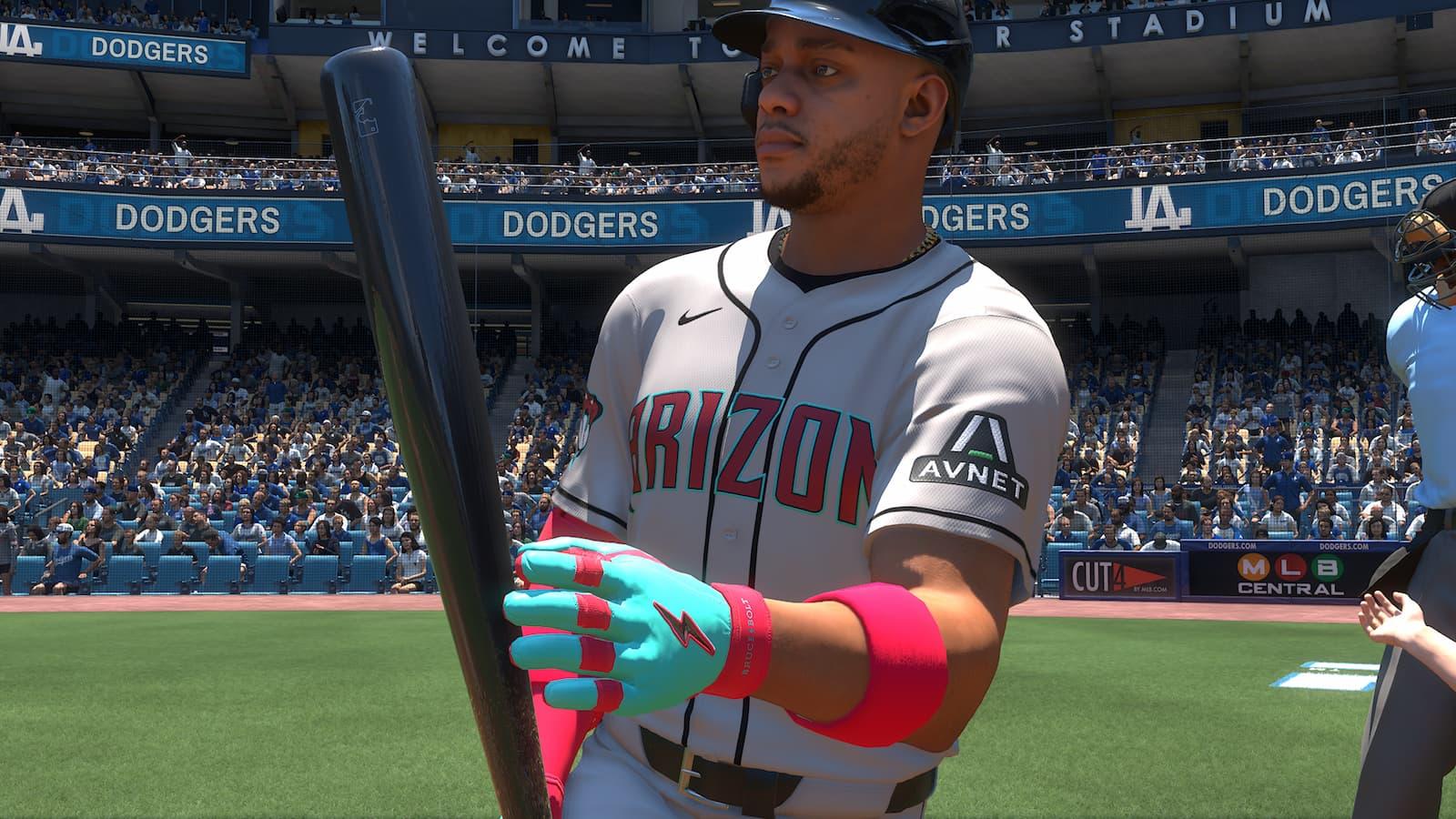
Diamond Dynasty's late-season economy is no longer driven by rating alone. The free Chase Choice changes what players need to purchase, while the 6th Inning deadline gives older Boss cards a fresh progression role. Before spending MLB 26 stubs, players should identify whether a card solves an active lineup problem, finishes a collection target, or merely looks expensive on the market.
Free Chase Choices Reduce Buyer Pressure
A non-sellable Chase reward does not add new listings, but it can still pull prices down quickly. When a player receives the exact shortstop, catcher, outfielder, or starter they wanted, that player leaves the buy-order pool. Thousands of removed buyers can matter as much as a large wave of sellable inventory.
The strongest decline usually hits cards valued mainly for immediate lineup use. A premium left-handed reliever or a versatile hitter can lose appeal if many players gain a free version. Collection-focused cards may hold better because players still need sellable copies to complete rewards or cover missing slots.
Open the Chase Choice before buying any eligible premium card.
Compare position scarcity, collection value, and your current roster upgrade.
Use buy orders when falling listings leave a wide price gap.
Choose Cards for Your Build, Not Their Rating
By this point in MLB The Show 26, most committed players already have several 99 OVR options. The better choice is often the player who fits a specific build: a contact-focused hitter against elite velocity, a catcher with reliable defense, or a starter whose pitch mix matches your preferred approach.
For ranked play, look beyond attributes on the front of the card. Check handedness, swing comfort, defensive flexibility, pitch speed differentials, and stamina. A card that enters your everyday lineup is worth more than a higher-priced item that stays on the bench. For offline grinding, prioritize players who help complete programs while also producing efficient stats in repeatable missions.
Boss Cards Have Become Progression Assets
The 6th Inning Boss cards are not being priced only as playable stars. Collecting both can provide a 30,000 XP voucher for the next Inning path, creating demand from players who want an early progression advantage. That makes the pair especially relevant for collectors and players planning their first week of 7th Inning content.
There are competing pressures, however. More players finishing the current path can place additional Boss cards into circulation, while the approaching deadline limits future gameplay access. Watch order volume rather than reacting to one low listing. A sudden drop may be a short-term seller rush, not a permanent shift in value.
1) Keep one Boss card only if the XP route supports your goals.
2) Sell duplicate rewards before new program cards divide buyer attention.
3) Reserve currency for launch-week cards with immediate roster utility.
Roster Updates Reward Patient Resource Planning
Live Series cards remain important because rating adjustments can alter quick-sell protection and cancel orders outside revised price limits. Players tracking upgrades should compare the current buy order, sell order, and guaranteed discard value before making a move. Acting instantly after an update can be costly when the market has not settled.
Temporary performance boosts create another trap. A boosted card can become excellent for a few days, especially in ranked lineups, yet its price may soften once the boost ends. Treat these cards as short-term tools unless their standard attributes still fit your team after the bonus disappears.
Farm repeatable program missions with cards that advance multiple objectives.
Keep a reserve for collection deadlines and new Inning rewards.
Do not chase a rising card without a clear lineup purpose.
Spend With a Clear Endgame Plan
The best late-season market decisions come from timing and purpose. Buyers should wait for Chase Choice reactions to stabilize, collectors should map rewards before selling key pieces, and competitive players should value role fit over headline rating. A card's real value comes from what it unlocks for your roster or progression path.
Players who want flexibility for the next content wave can buy cheap MLB 26 stubs and preserve their resources for cards that deliver a genuine upgrade.

 Arabic
 French
 Spanish
 Portuguese
 Deutsch
 Turkish
 Dutch
Dutch
 Italiano
 Russian
 Romaian
 Portuguese (Brazil)
 Greek
Greek