

-
8 Articoli
-
1 Foto
-
0 Video
-
Male
-
10/07/2001
-
Seguito da 0 people
Cerca
© 2026 Welcome to sociallink
 Italiano
Italiano
 English
 Arabic
 French
 Spanish
 Portuguese
 Deutsch
 Turkish
 Dutch
Dutch
 Russian
 Romaian
 Portuguese (Brazil)
 Greek
Greek
Aggiornamenti recenti
-
The Exascale Computing Market is transforming the way industries approach large-scale computation, offering unmatched processing speed and efficiency. Exascale systems, which are capable of performing at least one exaflop or a billion billion calculations per second, are the next frontier in high-performance computing. Organizations worldwide are increasingly adopting these systems to tackle complex problems, from climate modeling and astrophysics research to AI-driven predictive analytics. The growing need for real-time data processing, simulation, and computational accuracy is driving significant investments in exascale technology across both public and private sectors.
In scientific research, exascale computing enables simulations that were previously impossible. Complex physical models, such as turbulent fluid dynamics, can now be computed with extreme precision, aiding aerospace and automotive engineering. In healthcare, these systems accelerate drug discovery by simulating molecular interactions, reducing both time and costs. Exascale platforms also enhance AI model training, allowing machine learning algorithms to process vast datasets more efficiently and accurately. Real-time analytics in finance, energy, and telecommunications are further benefiting from the speed and scalability of these advanced computing systems.
Market players in the exascale computing space are innovating rapidly. Major semiconductor and supercomputer manufacturers are designing architectures that optimize performance while minimizing energy consumption. Collaborative initiatives between government-funded laboratories, universities, and technology firms are driving advancements in processor design, interconnects, and memory technologies. Additionally, software developers are focusing on creating exascale-ready applications, addressing the unique challenges of parallelization, fault tolerance, and data management inherent to these systems.
Investment trends indicate that Asia-Pacific, North America, and Europe are key regions leading exascale adoption. China’s national supercomputing program, Europe’s EuroHPC initiative, and the U.S. Exascale Computing Project highlight regional commitments to achieving computational supremacy. Emerging markets are also exploring exascale applications for scientific research, resource management, and defense technologies, demonstrating the global relevance of this high-performance computing market. Strategic partnerships, funding initiatives, and talent development programs are critical factors shaping the market’s future.
Challenges in deploying exascale systems include high capital expenditure, energy requirements, and software optimization. Cooling and infrastructure design are also critical, as these systems consume vast amounts of power. Workforce limitations pose an additional hurdle, as specialized skills are required to operate and maintain exascale environments. Addressing these challenges necessitates an integrated approach combining technology innovation, workforce training, and sustainable energy solutions to ensure long-term viability.
Looking ahead, exascale computing will play a pivotal role in driving innovation across multiple sectors. Integration with AI, cloud computing, and emerging quantum technologies will further extend its capabilities. High-performance computing as a service (HPCaaS) is likely to emerge as a scalable solution for organizations unable to deploy on-premises exascale systems. Governments and enterprises are expected to continue investing in research, energy efficiency, and software development to unlock the full potential of exascale computing.
Ultimately, the exascale computing market represents a convergence of technological innovation and strategic investment. Its applications in science, healthcare, AI, and industry make it a key enabler of future innovation. As adoption expands, the market is set to redefine high-performance computing, driving efficiency, accuracy, and speed on an unprecedented scale.@https://www.marketresearchfuture.com/reports/exascale-computing-market-39118
The Exascale Computing Market is transforming the way industries approach large-scale computation, offering unmatched processing speed and efficiency. Exascale systems, which are capable of performing at least one exaflop or a billion billion calculations per second, are the next frontier in high-performance computing. Organizations worldwide are increasingly adopting these systems to tackle complex problems, from climate modeling and astrophysics research to AI-driven predictive analytics. The growing need for real-time data processing, simulation, and computational accuracy is driving significant investments in exascale technology across both public and private sectors. In scientific research, exascale computing enables simulations that were previously impossible. Complex physical models, such as turbulent fluid dynamics, can now be computed with extreme precision, aiding aerospace and automotive engineering. In healthcare, these systems accelerate drug discovery by simulating molecular interactions, reducing both time and costs. Exascale platforms also enhance AI model training, allowing machine learning algorithms to process vast datasets more efficiently and accurately. Real-time analytics in finance, energy, and telecommunications are further benefiting from the speed and scalability of these advanced computing systems. Market players in the exascale computing space are innovating rapidly. Major semiconductor and supercomputer manufacturers are designing architectures that optimize performance while minimizing energy consumption. Collaborative initiatives between government-funded laboratories, universities, and technology firms are driving advancements in processor design, interconnects, and memory technologies. Additionally, software developers are focusing on creating exascale-ready applications, addressing the unique challenges of parallelization, fault tolerance, and data management inherent to these systems. Investment trends indicate that Asia-Pacific, North America, and Europe are key regions leading exascale adoption. China’s national supercomputing program, Europe’s EuroHPC initiative, and the U.S. Exascale Computing Project highlight regional commitments to achieving computational supremacy. Emerging markets are also exploring exascale applications for scientific research, resource management, and defense technologies, demonstrating the global relevance of this high-performance computing market. Strategic partnerships, funding initiatives, and talent development programs are critical factors shaping the market’s future. Challenges in deploying exascale systems include high capital expenditure, energy requirements, and software optimization. Cooling and infrastructure design are also critical, as these systems consume vast amounts of power. Workforce limitations pose an additional hurdle, as specialized skills are required to operate and maintain exascale environments. Addressing these challenges necessitates an integrated approach combining technology innovation, workforce training, and sustainable energy solutions to ensure long-term viability. Looking ahead, exascale computing will play a pivotal role in driving innovation across multiple sectors. Integration with AI, cloud computing, and emerging quantum technologies will further extend its capabilities. High-performance computing as a service (HPCaaS) is likely to emerge as a scalable solution for organizations unable to deploy on-premises exascale systems. Governments and enterprises are expected to continue investing in research, energy efficiency, and software development to unlock the full potential of exascale computing. Ultimately, the exascale computing market represents a convergence of technological innovation and strategic investment. Its applications in science, healthcare, AI, and industry make it a key enabler of future innovation. As adoption expands, the market is set to redefine high-performance computing, driving efficiency, accuracy, and speed on an unprecedented scale.@https://www.marketresearchfuture.com/reports/exascale-computing-market-391180 Commenti 0 condivisioni 15 Views 0 Anteprima -
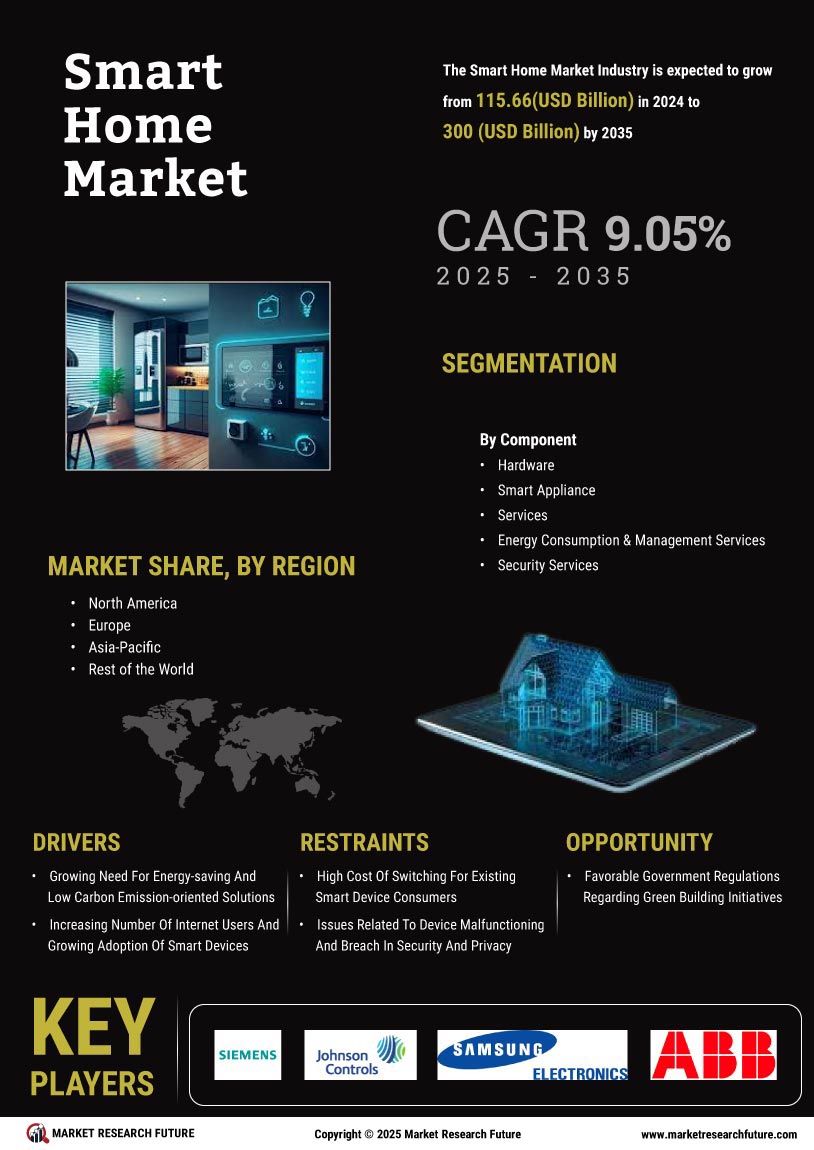
The Smart Home Market is experiencing accelerated growth, fueled by changing consumer preferences, increased awareness of energy efficiency, and the desire for enhanced convenience and security. Modern homeowners are increasingly looking for solutions that simplify daily routines, improve comfort, and offer proactive monitoring of household systems. As smart devices become more affordable, intuitive, and aesthetically appealing, consumers are adopting them at a faster pace, creating a dynamic shift in home management and lifestyle habits.
Consumer behavior in the smart home market is strongly influenced by convenience, safety, and cost savings. Devices like smart locks, security cameras, and video doorbells provide peace of mind by allowing homeowners to monitor properties remotely. Smart lighting and climate control systems reduce energy costs while providing customizable environments. The ability to automate repetitive tasks, such as adjusting temperature or turning off lights, appeals to tech-savvy and time-conscious consumers who value efficiency and ease of use.
Affordability and accessibility are key factors driving adoption. The introduction of budget-friendly smart devices, bundled packages, and modular solutions has lowered entry barriers for households across income levels. Furthermore, retailers and online marketplaces offer easy installation guides, tutorials, and customer support, encouraging first-time users to explore smart home technologies. This trend has expanded the market beyond high-end consumers to include middle-income households seeking practical automation solutions.
Connectivity and compatibility also play a vital role in consumer behavior. Devices that integrate seamlessly with smartphones, tablets, and popular voice assistants such as Alexa, Google Assistant, and Apple HomeKit are preferred by consumers. The ability to manage multiple devices from a single platform simplifies user experience, encouraging continued adoption. Interoperable ecosystems also allow consumers to expand their smart home gradually without the need to replace existing systems.
Demographic factors influence adoption patterns as well. Millennials and Gen Z, who are more comfortable with technology, are often early adopters, while older consumers prioritize security, reliability, and ease of use. Urban households tend to adopt smart home solutions faster due to higher disposable income and better internet connectivity, while semi-urban and rural adoption is increasing steadily as technology becomes more accessible and affordable.
Privacy and security concerns are shaping consumer behavior in the smart home market. Homeowners are increasingly cautious about data collection, device vulnerabilities, and potential cyber threats. Manufacturers addressing these concerns through secure authentication, end-to-end encryption, and privacy-focused designs gain consumer trust. Transparent privacy policies and optional data-sharing features are influencing purchase decisions, highlighting the importance of security in driving adoption.
Lifestyle and personalization also play a significant role. Consumers are attracted to devices that provide a personalized experience, such as adaptive lighting, voice-controlled environments, and intelligent appliances that learn habits over time. Customization enhances engagement and satisfaction, encouraging users to invest in multiple smart home solutions. Gamification and integration with mobile apps also increase user interaction and long-term retention.
Overall, the smart home market is shaped by evolving consumer behavior that values convenience, security, energy efficiency, and personalization. As awareness grows, devices become more intuitive, and solutions become affordable, adoption is expected to expand rapidly across global demographics, making smart homes an integral part of modern living.@https://www.marketresearchfuture.com/reports/smart-home-market-974
The Smart Home Market is experiencing accelerated growth, fueled by changing consumer preferences, increased awareness of energy efficiency, and the desire for enhanced convenience and security. Modern homeowners are increasingly looking for solutions that simplify daily routines, improve comfort, and offer proactive monitoring of household systems. As smart devices become more affordable, intuitive, and aesthetically appealing, consumers are adopting them at a faster pace, creating a dynamic shift in home management and lifestyle habits. Consumer behavior in the smart home market is strongly influenced by convenience, safety, and cost savings. Devices like smart locks, security cameras, and video doorbells provide peace of mind by allowing homeowners to monitor properties remotely. Smart lighting and climate control systems reduce energy costs while providing customizable environments. The ability to automate repetitive tasks, such as adjusting temperature or turning off lights, appeals to tech-savvy and time-conscious consumers who value efficiency and ease of use. Affordability and accessibility are key factors driving adoption. The introduction of budget-friendly smart devices, bundled packages, and modular solutions has lowered entry barriers for households across income levels. Furthermore, retailers and online marketplaces offer easy installation guides, tutorials, and customer support, encouraging first-time users to explore smart home technologies. This trend has expanded the market beyond high-end consumers to include middle-income households seeking practical automation solutions. Connectivity and compatibility also play a vital role in consumer behavior. Devices that integrate seamlessly with smartphones, tablets, and popular voice assistants such as Alexa, Google Assistant, and Apple HomeKit are preferred by consumers. The ability to manage multiple devices from a single platform simplifies user experience, encouraging continued adoption. Interoperable ecosystems also allow consumers to expand their smart home gradually without the need to replace existing systems. Demographic factors influence adoption patterns as well. Millennials and Gen Z, who are more comfortable with technology, are often early adopters, while older consumers prioritize security, reliability, and ease of use. Urban households tend to adopt smart home solutions faster due to higher disposable income and better internet connectivity, while semi-urban and rural adoption is increasing steadily as technology becomes more accessible and affordable. Privacy and security concerns are shaping consumer behavior in the smart home market. Homeowners are increasingly cautious about data collection, device vulnerabilities, and potential cyber threats. Manufacturers addressing these concerns through secure authentication, end-to-end encryption, and privacy-focused designs gain consumer trust. Transparent privacy policies and optional data-sharing features are influencing purchase decisions, highlighting the importance of security in driving adoption. Lifestyle and personalization also play a significant role. Consumers are attracted to devices that provide a personalized experience, such as adaptive lighting, voice-controlled environments, and intelligent appliances that learn habits over time. Customization enhances engagement and satisfaction, encouraging users to invest in multiple smart home solutions. Gamification and integration with mobile apps also increase user interaction and long-term retention. Overall, the smart home market is shaped by evolving consumer behavior that values convenience, security, energy efficiency, and personalization. As awareness grows, devices become more intuitive, and solutions become affordable, adoption is expected to expand rapidly across global demographics, making smart homes an integral part of modern living.@https://www.marketresearchfuture.com/reports/smart-home-market-9740 Commenti 0 condivisioni 21 Views 0 Anteprima -
The robot fleet management software market has transformed workflows across industries by enabling organizations to coordinate and control multiple autonomous robots simultaneously. While the core purpose of robotic fleets—enhancing efficiency and reducing manual workload—remains consistent, the specific applications vary greatly by sector. Analyzing how different industries implement and benefit from these systems reveals not only diverse use cases but also unique challenges and opportunities.
Manufacturing is among the earliest adopters and largest users of fleet management software. In assembly lines and production facilities, fleets of automated guided vehicles (AGVs), autonomous mobile robots (AMRs), and robotic arms operate in concert to transport materials, handle parts, and support precision manufacturing. Fleet software optimizes pathways to prevent congestion, aligns activities with production schedules, and monitors robot health to avoid unexpected downtime. For manufacturers, the ability to adapt quickly to changing product demands and fluctuating workloads is a critical competitive advantage.
Warehousing and logistics have perhaps seen the most dramatic operational transformations through robotic fleets. Distribution centers rely on AMRs to pick and move inventory, transport goods to packing stations, and restock shelves. With the growth of e‑commerce, these facilities face high customer expectations for rapid order fulfillment. Fleet management platforms help strike a balance between speed and reliability by dynamically assigning tasks, rerouting robots based on traffic patterns, and scaling system capabilities during peak demand. Real‑time visibility into inventory movement supports better decision‑making and reduces errors.@https://www.marketresearchfuture.com/reports/robot-fleet-management-software-market-11080
The robot fleet management software market has transformed workflows across industries by enabling organizations to coordinate and control multiple autonomous robots simultaneously. While the core purpose of robotic fleets—enhancing efficiency and reducing manual workload—remains consistent, the specific applications vary greatly by sector. Analyzing how different industries implement and benefit from these systems reveals not only diverse use cases but also unique challenges and opportunities. Manufacturing is among the earliest adopters and largest users of fleet management software. In assembly lines and production facilities, fleets of automated guided vehicles (AGVs), autonomous mobile robots (AMRs), and robotic arms operate in concert to transport materials, handle parts, and support precision manufacturing. Fleet software optimizes pathways to prevent congestion, aligns activities with production schedules, and monitors robot health to avoid unexpected downtime. For manufacturers, the ability to adapt quickly to changing product demands and fluctuating workloads is a critical competitive advantage. Warehousing and logistics have perhaps seen the most dramatic operational transformations through robotic fleets. Distribution centers rely on AMRs to pick and move inventory, transport goods to packing stations, and restock shelves. With the growth of e‑commerce, these facilities face high customer expectations for rapid order fulfillment. Fleet management platforms help strike a balance between speed and reliability by dynamically assigning tasks, rerouting robots based on traffic patterns, and scaling system capabilities during peak demand. Real‑time visibility into inventory movement supports better decision‑making and reduces errors.@https://www.marketresearchfuture.com/reports/robot-fleet-management-software-market-110800 Commenti 0 condivisioni 6 Views 0 Anteprima -
The Web To Print W2P Software Market is evolving rapidly due to continuous technological advancements and innovative solutions designed to enhance user experience and operational efficiency. Modern W2P platforms are incorporating cloud computing, enabling service providers to manage printing operations from anywhere with minimal IT infrastructure. Cloud-based solutions facilitate scalability, allowing businesses to expand services, integrate new features, and handle large volumes of orders without significant upfront investments. Mobile accessibility is also transforming the market, as users can place orders, customize products, and track delivery directly from smartphones or tablets, increasing convenience and engagement.
Automation is a major area of innovation in Web To Print software. Advanced platforms offer automated prepress workflows, proofing tools, and error detection, reducing manual intervention and improving production accuracy. These features allow print service providers to minimize mistakes, optimize material usage, and enhance turnaround times. Additionally, AI-driven recommendations are being integrated into design templates, enabling users to create professional-quality print materials effortlessly. This democratization of design reduces dependence on professional graphic designers while ensuring brand consistency.
Personalization and on-demand printing capabilities have also seen significant technological growth. W2P platforms now offer dynamic variable data printing, allowing businesses to customize text, images, and graphics for individual recipients. Marketing campaigns, promotional items, and packaging can be tailored for specific audiences, enhancing customer engagement and loyalty. Integration with customer relationship management (CRM) and marketing automation tools allows organizations to synchronize online campaigns with print output, providing a seamless multichannel experience.
Augmented reality (AR) and virtual previews are emerging innovations in the W2P market. Customers can visualize products in 3D, rotate items, and interact with digital prototypes before placing orders. This enhances confidence in the final product, reduces returns, and improves customer satisfaction. Furthermore, analytics dashboards provide actionable insights on user behavior, order patterns, and inventory management, enabling data-driven decision-making for print service providers. The combination of these technological advancements ensures that Web To Print software remains a critical tool for businesses aiming to stay competitive, streamline production, and deliver personalized, high-quality print solutions efficiently.@https://www.marketresearchfuture.com/reports/web-to-print-software-market-31218
The Web To Print W2P Software Market is evolving rapidly due to continuous technological advancements and innovative solutions designed to enhance user experience and operational efficiency. Modern W2P platforms are incorporating cloud computing, enabling service providers to manage printing operations from anywhere with minimal IT infrastructure. Cloud-based solutions facilitate scalability, allowing businesses to expand services, integrate new features, and handle large volumes of orders without significant upfront investments. Mobile accessibility is also transforming the market, as users can place orders, customize products, and track delivery directly from smartphones or tablets, increasing convenience and engagement. Automation is a major area of innovation in Web To Print software. Advanced platforms offer automated prepress workflows, proofing tools, and error detection, reducing manual intervention and improving production accuracy. These features allow print service providers to minimize mistakes, optimize material usage, and enhance turnaround times. Additionally, AI-driven recommendations are being integrated into design templates, enabling users to create professional-quality print materials effortlessly. This democratization of design reduces dependence on professional graphic designers while ensuring brand consistency. Personalization and on-demand printing capabilities have also seen significant technological growth. W2P platforms now offer dynamic variable data printing, allowing businesses to customize text, images, and graphics for individual recipients. Marketing campaigns, promotional items, and packaging can be tailored for specific audiences, enhancing customer engagement and loyalty. Integration with customer relationship management (CRM) and marketing automation tools allows organizations to synchronize online campaigns with print output, providing a seamless multichannel experience. Augmented reality (AR) and virtual previews are emerging innovations in the W2P market. Customers can visualize products in 3D, rotate items, and interact with digital prototypes before placing orders. This enhances confidence in the final product, reduces returns, and improves customer satisfaction. Furthermore, analytics dashboards provide actionable insights on user behavior, order patterns, and inventory management, enabling data-driven decision-making for print service providers. The combination of these technological advancements ensures that Web To Print software remains a critical tool for businesses aiming to stay competitive, streamline production, and deliver personalized, high-quality print solutions efficiently.@https://www.marketresearchfuture.com/reports/web-to-print-software-market-312180 Commenti 0 condivisioni 19 Views 0 Anteprima -
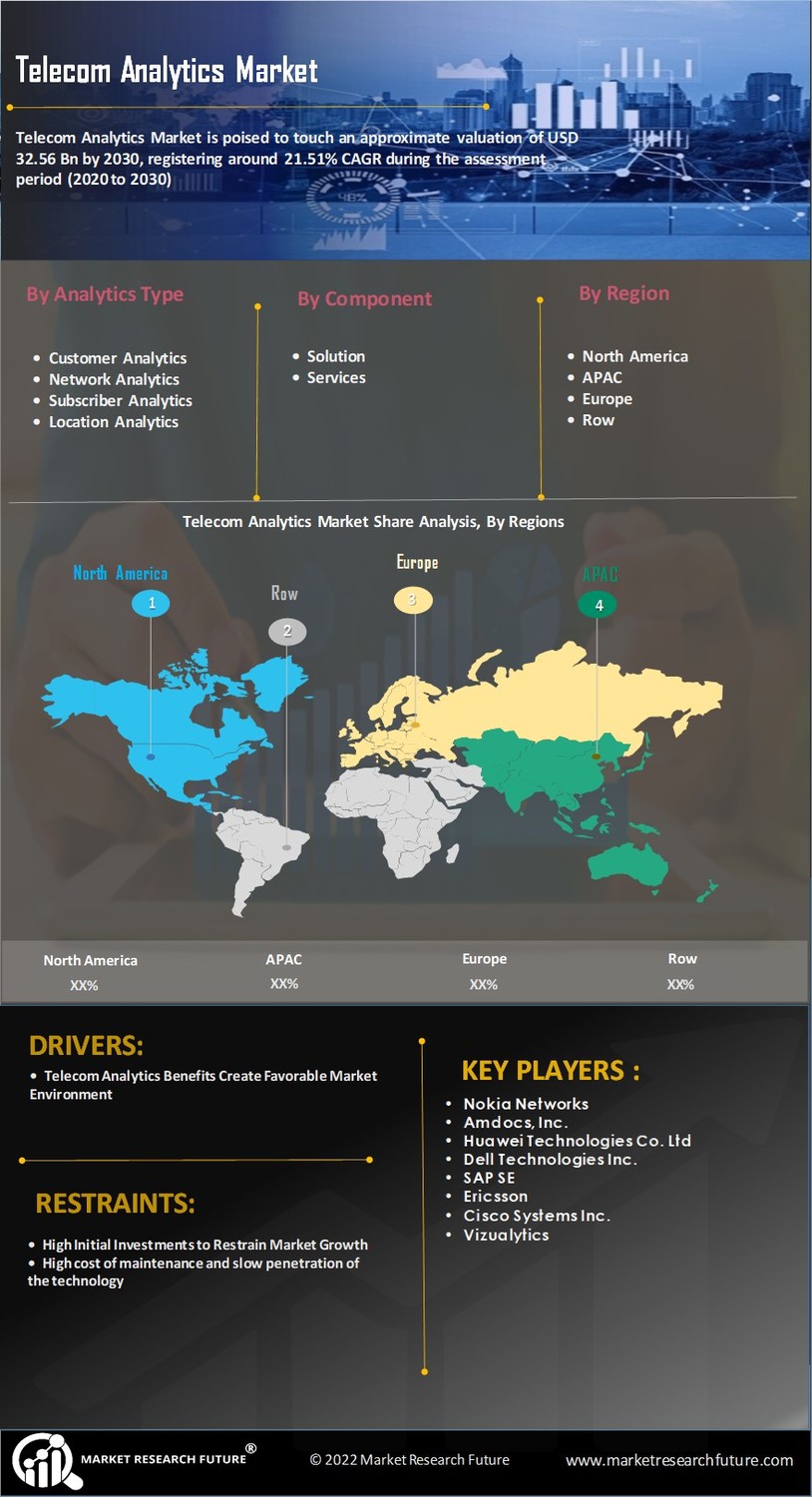
The Telecom Analytics Market is evolving rapidly as telecom companies seek to extract maximum value from the enormous volumes of data generated by subscribers, networks, and digital services. Analytics solutions are becoming essential tools for operators to enhance decision-making, improve operational efficiency, and deliver superior customer experiences. These solutions leverage advanced technologies such as artificial intelligence, machine learning, and big data analytics to provide actionable insights.
Customer experience management is a major focus area for telecom analytics. Operators analyze usage patterns, customer feedback, social media interactions, and service complaints to identify pain points and improve service quality. Predictive analytics models allow telecom companies to anticipate customer needs, provide personalized offers, and design loyalty programs that reduce churn. With growing competition, ensuring a positive customer experience has become a critical differentiator in the telecom industry.
Optimizing network performance is another significant benefit of telecom analytics. With the complexity of modern networks, including 5G deployment, IoT connectivity, and cloud services, operators require real-time monitoring and predictive insights to ensure uninterrupted service. Analytics platforms enable traffic forecasting, fault detection, and proactive network maintenance, minimizing downtime and enhancing user satisfaction. Effective network management also helps operators optimize resource allocation and reduce operational costs.
Revenue assurance and fraud detection are other key applications. Operators face risks from billing errors, unauthorized access, and revenue leakage, all of which can impact profitability. Telecom analytics solutions identify unusual patterns, detect fraudulent activities, and enable real-time intervention. This ensures accurate billing, safeguards revenue, and strengthens trust with both customers and regulatory authorities. Advanced AI algorithms improve detection efficiency, allowing operators to respond faster and more effectively.
Big data technologies are transforming telecom analytics by enabling the processing of large-scale datasets from multiple sources, including call data records, network logs, and customer interactions. By integrating AI and machine learning, operators gain predictive and prescriptive insights that drive better decision-making. Data visualizations and dashboards simplify complex datasets, providing executives with a clear understanding of operational trends, customer behavior, and market opportunities.
Cloud adoption is driving growth in telecom analytics by providing scalable, flexible, and cost-effective platforms. Cloud-based analytics solutions allow operators to manage data efficiently, collaborate across departments, and deploy advanced AI models without heavy infrastructure investments. Multi-region operations benefit from cloud analytics, as it supports real-time insights across geographically distributed networks. The flexibility and agility provided by cloud platforms accelerate innovation and improve operational efficiency.
The Asia-Pacific region is emerging as a major growth hub for the telecom analytics market. Rapid digital adoption, increased smartphone penetration, and growing internet usage are driving demand for analytics solutions. Operators in emerging economies such as India, China, and Southeast Asia are investing in analytics to enhance network management, optimize customer engagement, and develop new services. Latin America and Africa are also experiencing growth as operators modernize networks and deploy analytics for better operational insights.
Partnerships and collaborations between telecom operators and analytics solution providers are shaping market trends. Operators increasingly rely on AI-driven platforms and managed analytics services to strengthen capabilities while reducing implementation risks. These collaborations provide access to specialized expertise, advanced tools, and faster deployment, enabling operators to respond effectively to market dynamics and changing customer expectations.
In conclusion, the telecom analytics market is poised for significant expansion as operators increasingly embrace data-driven strategies. Analytics solutions help optimize networks, enhance customer experience, ensure revenue assurance, and improve operational efficiency. As technology advances and competition intensifies, telecom analytics will remain a strategic investment, enabling operators to innovate, retain customers, and achieve sustainable growth.@https://www.marketresearchfuture.com/reports/telecom-analytics-market-5813
The Telecom Analytics Market is evolving rapidly as telecom companies seek to extract maximum value from the enormous volumes of data generated by subscribers, networks, and digital services. Analytics solutions are becoming essential tools for operators to enhance decision-making, improve operational efficiency, and deliver superior customer experiences. These solutions leverage advanced technologies such as artificial intelligence, machine learning, and big data analytics to provide actionable insights. Customer experience management is a major focus area for telecom analytics. Operators analyze usage patterns, customer feedback, social media interactions, and service complaints to identify pain points and improve service quality. Predictive analytics models allow telecom companies to anticipate customer needs, provide personalized offers, and design loyalty programs that reduce churn. With growing competition, ensuring a positive customer experience has become a critical differentiator in the telecom industry. Optimizing network performance is another significant benefit of telecom analytics. With the complexity of modern networks, including 5G deployment, IoT connectivity, and cloud services, operators require real-time monitoring and predictive insights to ensure uninterrupted service. Analytics platforms enable traffic forecasting, fault detection, and proactive network maintenance, minimizing downtime and enhancing user satisfaction. Effective network management also helps operators optimize resource allocation and reduce operational costs. Revenue assurance and fraud detection are other key applications. Operators face risks from billing errors, unauthorized access, and revenue leakage, all of which can impact profitability. Telecom analytics solutions identify unusual patterns, detect fraudulent activities, and enable real-time intervention. This ensures accurate billing, safeguards revenue, and strengthens trust with both customers and regulatory authorities. Advanced AI algorithms improve detection efficiency, allowing operators to respond faster and more effectively. Big data technologies are transforming telecom analytics by enabling the processing of large-scale datasets from multiple sources, including call data records, network logs, and customer interactions. By integrating AI and machine learning, operators gain predictive and prescriptive insights that drive better decision-making. Data visualizations and dashboards simplify complex datasets, providing executives with a clear understanding of operational trends, customer behavior, and market opportunities. Cloud adoption is driving growth in telecom analytics by providing scalable, flexible, and cost-effective platforms. Cloud-based analytics solutions allow operators to manage data efficiently, collaborate across departments, and deploy advanced AI models without heavy infrastructure investments. Multi-region operations benefit from cloud analytics, as it supports real-time insights across geographically distributed networks. The flexibility and agility provided by cloud platforms accelerate innovation and improve operational efficiency. The Asia-Pacific region is emerging as a major growth hub for the telecom analytics market. Rapid digital adoption, increased smartphone penetration, and growing internet usage are driving demand for analytics solutions. Operators in emerging economies such as India, China, and Southeast Asia are investing in analytics to enhance network management, optimize customer engagement, and develop new services. Latin America and Africa are also experiencing growth as operators modernize networks and deploy analytics for better operational insights. Partnerships and collaborations between telecom operators and analytics solution providers are shaping market trends. Operators increasingly rely on AI-driven platforms and managed analytics services to strengthen capabilities while reducing implementation risks. These collaborations provide access to specialized expertise, advanced tools, and faster deployment, enabling operators to respond effectively to market dynamics and changing customer expectations. In conclusion, the telecom analytics market is poised for significant expansion as operators increasingly embrace data-driven strategies. Analytics solutions help optimize networks, enhance customer experience, ensure revenue assurance, and improve operational efficiency. As technology advances and competition intensifies, telecom analytics will remain a strategic investment, enabling operators to innovate, retain customers, and achieve sustainable growth.@https://www.marketresearchfuture.com/reports/telecom-analytics-market-58130 Commenti 0 condivisioni 8 Views 0 Anteprima -
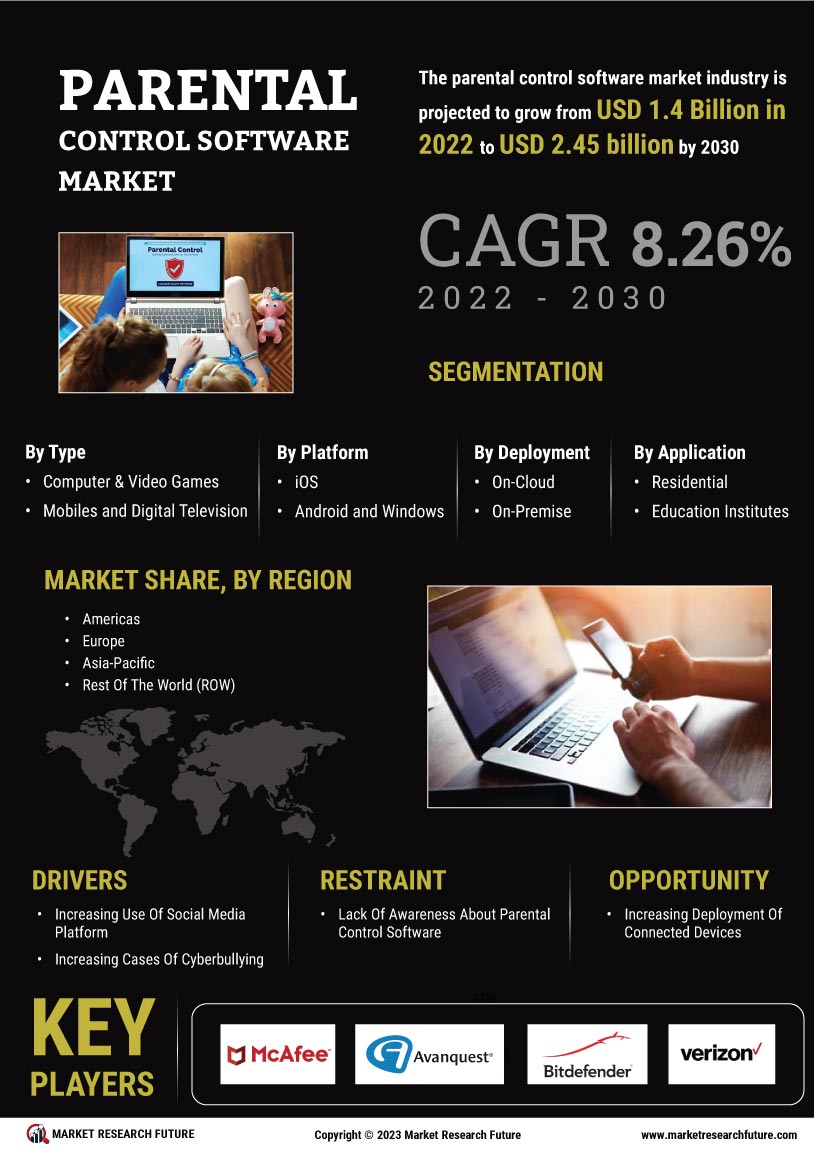
Parental Control Software Market adoption patterns vary significantly across regions as cultural attitudes toward digital safety, regulatory frameworks, technological infrastructure, and device penetration shape how families and institutions perceive and implement parental monitoring tools. Understanding these regional nuances is essential for companies seeking to tailor products and strategies that resonate with local users.
North America stands out as a leading region in the adoption of parental control software due to high rates of device ownership, strong awareness of online safety issues, and established digital privacy frameworks. Parents in the United States and Canada frequently adopt advanced supervision tools to manage screen time, filter content, and track online activity. The presence of robust internet infrastructure and high connectivity supports the use of features such as real-time monitoring and remote management. Educational institutions in this region also integrate parental controls within learning environments, particularly in remote or hybrid learning contexts.
Europe represents another mature market with significant uptake. Western European countries such as the United Kingdom, Germany, and France exhibit strong demand driven by increased digital literacy and regulatory emphasis on child data protection. European privacy frameworks influence how parental control software is designed, with a growing focus on privacy-by-design features that limit data collection and ensure transparent usage. Parents in Europe often seek solutions that balance protection with respect for children’s rights and privacy, prompting vendors to innovate privacy‑oriented capabilities alongside traditional supervision tools.
In contrast, the Asia Pacific region is among the fastest‑growing markets due to expanding smartphone penetration, a growing middle class, and increasing digital access among younger populations. Countries such as India and China have witnessed rapid growth in parental control adoption as parents aim to monitor online behavior amid surging internet usage. In urban areas with high education and technology awareness, parents adopt advanced features that include screen time limits and context-based content filtering. However, regional diversity means adoption varies widely — some countries remain in the early stages of digital safety awareness, presenting both challenges and opportunities for market expansion.
Latin America shows a rising interest in parental controls, particularly in major urban centers with increasing smartphone usage. While affordability remains a consideration for many families, bundled offerings from telecom providers are helping broaden access. Governments and advocacy groups also promote safe online practices, contributing to awareness and adoption growth.
The Middle East and Africa represent emerging markets with mixed adoption trends. In regions with improving internet infrastructure and rising digital engagement, parental controls are gaining traction among tech‑savvy families. However, in areas with limited connectivity or lower digital literacy, awareness and demand remain relatively nascent. Efforts by NGOs and educational programs to promote digital safety are helping drive interest and lay the foundation for future growth.
Regional differences also manifest in feature preferences. For example, markets with high social media usage often prioritize social monitoring and content filtering capabilities, while regions with growing awareness of cyber threats value behavioral alerts and real‑time supervision. Deployment models also vary — cloud‑based solutions are widely adopted where internet coverage is robust, whereas on‑premise or local device control remains relevant in regions with intermittent connectivity.
Cultural perceptions of child autonomy and privacy further influence how parental controls are perceived. In some regions, parents may prioritize strict supervision, while in others, they may emphasize collaborative approaches that respect older children’s independence. Developers that offer customizable control levels and co‑regulation features can better address diverse regional preferences.
Overall, regional dynamics highlight the importance of localized strategies in the parental control software market. Companies that understand and adapt to cultural, regulatory, economic, and technological landscapes can achieve greater penetration and user satisfaction across global markets@https://www.marketresearchfuture.com/reports/parental-control-software-market-4551
Parental Control Software Market adoption patterns vary significantly across regions as cultural attitudes toward digital safety, regulatory frameworks, technological infrastructure, and device penetration shape how families and institutions perceive and implement parental monitoring tools. Understanding these regional nuances is essential for companies seeking to tailor products and strategies that resonate with local users. North America stands out as a leading region in the adoption of parental control software due to high rates of device ownership, strong awareness of online safety issues, and established digital privacy frameworks. Parents in the United States and Canada frequently adopt advanced supervision tools to manage screen time, filter content, and track online activity. The presence of robust internet infrastructure and high connectivity supports the use of features such as real-time monitoring and remote management. Educational institutions in this region also integrate parental controls within learning environments, particularly in remote or hybrid learning contexts. Europe represents another mature market with significant uptake. Western European countries such as the United Kingdom, Germany, and France exhibit strong demand driven by increased digital literacy and regulatory emphasis on child data protection. European privacy frameworks influence how parental control software is designed, with a growing focus on privacy-by-design features that limit data collection and ensure transparent usage. Parents in Europe often seek solutions that balance protection with respect for children’s rights and privacy, prompting vendors to innovate privacy‑oriented capabilities alongside traditional supervision tools. In contrast, the Asia Pacific region is among the fastest‑growing markets due to expanding smartphone penetration, a growing middle class, and increasing digital access among younger populations. Countries such as India and China have witnessed rapid growth in parental control adoption as parents aim to monitor online behavior amid surging internet usage. In urban areas with high education and technology awareness, parents adopt advanced features that include screen time limits and context-based content filtering. However, regional diversity means adoption varies widely — some countries remain in the early stages of digital safety awareness, presenting both challenges and opportunities for market expansion. Latin America shows a rising interest in parental controls, particularly in major urban centers with increasing smartphone usage. While affordability remains a consideration for many families, bundled offerings from telecom providers are helping broaden access. Governments and advocacy groups also promote safe online practices, contributing to awareness and adoption growth. The Middle East and Africa represent emerging markets with mixed adoption trends. In regions with improving internet infrastructure and rising digital engagement, parental controls are gaining traction among tech‑savvy families. However, in areas with limited connectivity or lower digital literacy, awareness and demand remain relatively nascent. Efforts by NGOs and educational programs to promote digital safety are helping drive interest and lay the foundation for future growth. Regional differences also manifest in feature preferences. For example, markets with high social media usage often prioritize social monitoring and content filtering capabilities, while regions with growing awareness of cyber threats value behavioral alerts and real‑time supervision. Deployment models also vary — cloud‑based solutions are widely adopted where internet coverage is robust, whereas on‑premise or local device control remains relevant in regions with intermittent connectivity. Cultural perceptions of child autonomy and privacy further influence how parental controls are perceived. In some regions, parents may prioritize strict supervision, while in others, they may emphasize collaborative approaches that respect older children’s independence. Developers that offer customizable control levels and co‑regulation features can better address diverse regional preferences. Overall, regional dynamics highlight the importance of localized strategies in the parental control software market. Companies that understand and adapt to cultural, regulatory, economic, and technological landscapes can achieve greater penetration and user satisfaction across global markets@https://www.marketresearchfuture.com/reports/parental-control-software-market-45510 Commenti 0 condivisioni 28 Views 0 Anteprima -
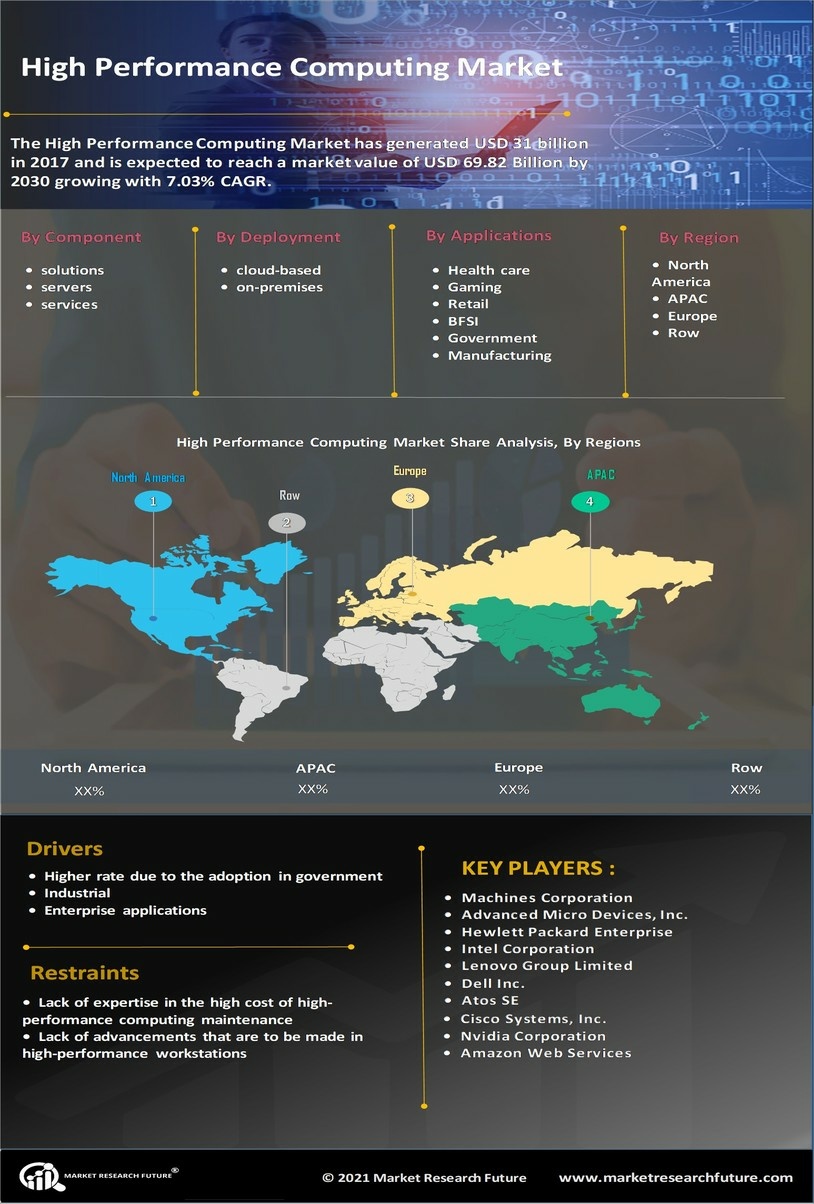
The High Performance Computing Market faces several challenges that could impact its adoption and growth. One of the primary challenges is the high cost associated with HPC infrastructure, including hardware, software, and maintenance. The initial investment required for building supercomputing facilities or acquiring HPC clusters can be prohibitive, especially for small and medium-sized enterprises. Additionally, ongoing operational costs such as energy consumption, cooling, and system upgrades contribute to the overall financial burden, potentially limiting adoption in cost-sensitive organizations.
Energy efficiency is another significant challenge in the HPC market. High-performance computing systems consume large amounts of electricity, particularly in large-scale data centers and research facilities. Managing power consumption while maintaining optimal performance requires specialized hardware, cooling solutions, and energy-efficient software optimizations. Organizations are under pressure to balance computational performance with environmental sustainability, which can be a complex and costly undertaking.
Integration complexity poses further obstacles. HPC systems often involve a combination of processors, GPUs, storage systems, and networking components that require careful configuration and optimization. Deploying HPC solutions, particularly in hybrid or cloud environments, can be challenging due to compatibility issues, software dependencies, and workload management complexities. Organizations lacking in-house expertise may face difficulties in implementing and maintaining HPC systems effectively.
The scarcity of skilled professionals trained in HPC architecture, parallel programming, and performance optimization is another market challenge. Effective utilization of HPC resources requires specialized knowledge in software optimization, simulation modeling, and large-scale data analysis. The limited availability of such expertise can slow adoption and reduce the efficiency of HPC deployments.
Data security and privacy concerns also impact the HPC market. Organizations processing sensitive information, including financial data, healthcare records, and proprietary research, must ensure robust security protocols are in place. Securing large-scale HPC environments, particularly cloud-based solutions, presents unique challenges in encryption, access control, and threat mitigation.
Finally, the rapid pace of technological advancement poses both opportunities and challenges. While innovation drives market growth, frequent upgrades in HPC hardware, software frameworks, and interconnect technologies can lead to obsolescence and increased costs for organizations trying to maintain competitive performance levels. Addressing these challenges effectively is critical for the sustained growth and adoption of high-performance computing systems worldwide.@https://www.marketresearchfuture.com/reports/high-performance-computing-market-2698
The High Performance Computing Market faces several challenges that could impact its adoption and growth. One of the primary challenges is the high cost associated with HPC infrastructure, including hardware, software, and maintenance. The initial investment required for building supercomputing facilities or acquiring HPC clusters can be prohibitive, especially for small and medium-sized enterprises. Additionally, ongoing operational costs such as energy consumption, cooling, and system upgrades contribute to the overall financial burden, potentially limiting adoption in cost-sensitive organizations. Energy efficiency is another significant challenge in the HPC market. High-performance computing systems consume large amounts of electricity, particularly in large-scale data centers and research facilities. Managing power consumption while maintaining optimal performance requires specialized hardware, cooling solutions, and energy-efficient software optimizations. Organizations are under pressure to balance computational performance with environmental sustainability, which can be a complex and costly undertaking. Integration complexity poses further obstacles. HPC systems often involve a combination of processors, GPUs, storage systems, and networking components that require careful configuration and optimization. Deploying HPC solutions, particularly in hybrid or cloud environments, can be challenging due to compatibility issues, software dependencies, and workload management complexities. Organizations lacking in-house expertise may face difficulties in implementing and maintaining HPC systems effectively. The scarcity of skilled professionals trained in HPC architecture, parallel programming, and performance optimization is another market challenge. Effective utilization of HPC resources requires specialized knowledge in software optimization, simulation modeling, and large-scale data analysis. The limited availability of such expertise can slow adoption and reduce the efficiency of HPC deployments. Data security and privacy concerns also impact the HPC market. Organizations processing sensitive information, including financial data, healthcare records, and proprietary research, must ensure robust security protocols are in place. Securing large-scale HPC environments, particularly cloud-based solutions, presents unique challenges in encryption, access control, and threat mitigation. Finally, the rapid pace of technological advancement poses both opportunities and challenges. While innovation drives market growth, frequent upgrades in HPC hardware, software frameworks, and interconnect technologies can lead to obsolescence and increased costs for organizations trying to maintain competitive performance levels. Addressing these challenges effectively is critical for the sustained growth and adoption of high-performance computing systems worldwide.@https://www.marketresearchfuture.com/reports/high-performance-computing-market-26980 Commenti 0 condivisioni 10 Views 0 Anteprima


Altre storie